Our Services
Specialized Care for Every Stage
Gentle, evidence-based chiropractic for women and growing families, from preconception through pediatric wellness.
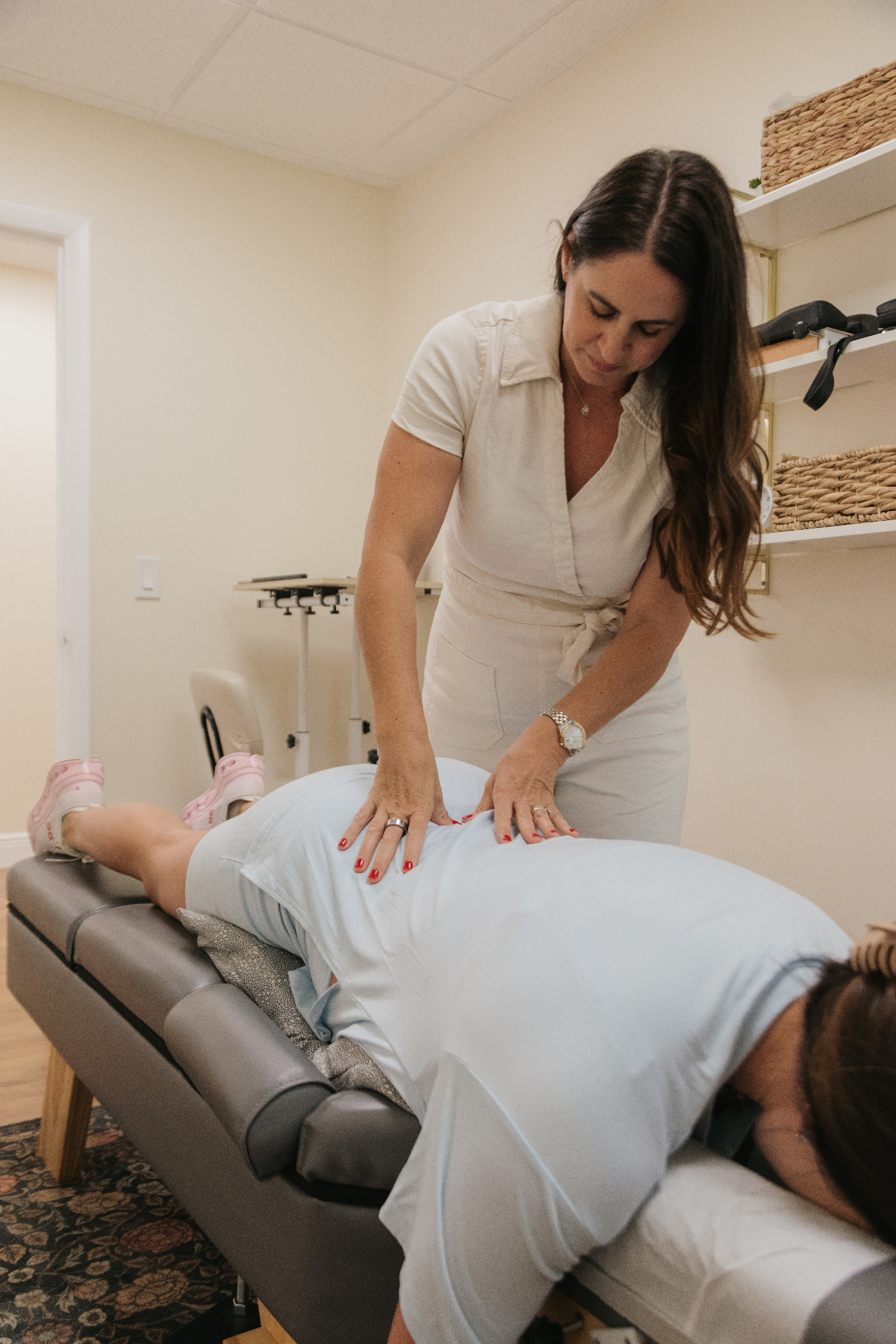
Prenatal Chiropractic
As your body changes through pregnancy, your center of gravity shifts and your pelvis adapts to make room for your growing baby. Gentle chiropractic care helps maintain pelvic balance, ease back and round-ligament discomfort, and create optimal space for your baby to position for birth.
Dr. Alli is certified in the Webster Technique, a specific chiropractic analysis used throughout pregnancy to support pelvic balance and comfort.
What we help with
- Relief from low back, hip, and pelvic pain
- Webster Technique for pelvic balance
- Support for optimal fetal positioning
- Reduced labor and delivery discomfort
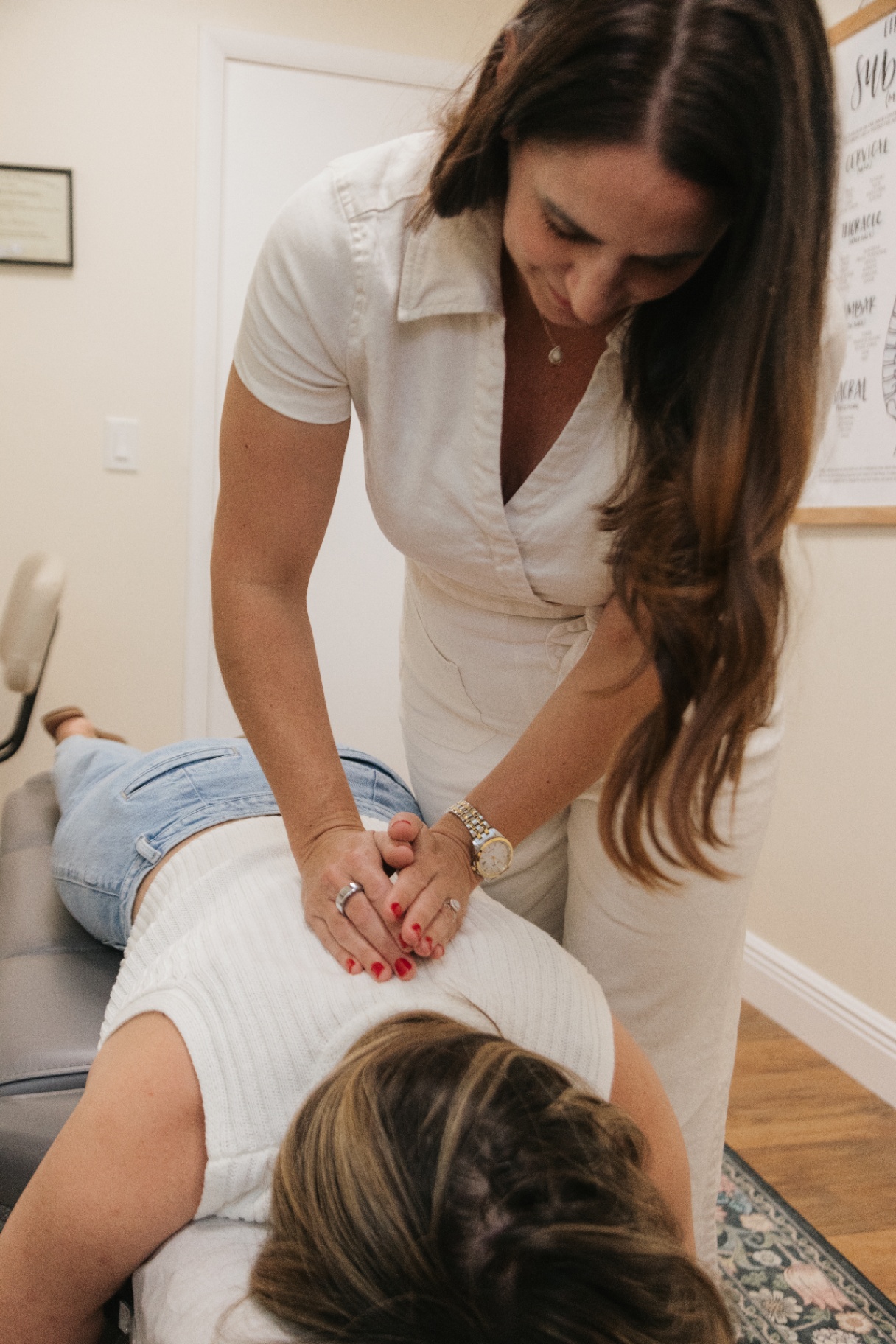
Postpartum Chiropractic
Birth is a profound physical event, and recovery deserves the same care and attention as pregnancy itself. Postpartum chiropractic helps realign the pelvis, restore core and pelvic floor function, and ease the strain of feeding, holding, and carrying your new baby.
Whether you're days, weeks, or years postpartum, it's never too late to support your body's recovery.
What we help with
- Pelvic and SI joint realignment
- Support for diastasis recti recovery
- Relief from neck, shoulder, and wrist tension
- Help re-establishing core stability

Pediatric Chiropractic
From birth onward, your child's spine and nervous system are doing extraordinary work. Gentle pediatric chiropractic supports healthy development at every stage, from latching and reflux concerns in infancy through the bumps and tumbles of toddlerhood.
Pediatric adjustments use very light, sustained pressure, about as much force as you'd use to check a ripe tomato.
What we help with
- Support for nursing and latching difficulties
- Help with colic, reflux, and sleep concerns
- Care for torticollis and head-shape concerns
- Wellness checks throughout childhood
FAQ
Questions About Care
What is the Webster Technique?
The Webster Technique is a specific chiropractic analysis and adjustment used during pregnancy to balance the pelvis, reduce tension in the surrounding ligaments, and create optimal room for baby. Dr. Alli is certified through the ICPA (International Chiropractic Pediatric Association).
Can chiropractic help turn a breech baby?
The Webster Technique is not a 'breech turning' technique it's a pelvic balancing technique. By reducing constraint in the pelvis and supporting optimal positioning, many babies are able to move into a head-down position on their own. It's most effective when started by 32–34 weeks.
When in pregnancy should I start chiropractic care?
Any trimester is a great time to start. Many patients begin in the first trimester for nausea and fatigue support, while others come in later for hip, back, and pelvic discomfort or to prepare for birth.
How does pediatric chiropractic differ from adult chiropractic?
Pediatric adjustments are dramatically gentler using only light, sustained finger pressure (about the force you'd use to check a ripe tomato). There's no twisting, popping, or cracking. The goal is to support a child's developing nervous system, not to mimic adult adjustments.
Can chiropractic help with colic, reflux, or latching issues?
Many parents find chiropractic care helpful as part of a broader approach to colic, reflux, gas, and nursing difficulties. Restrictions in the upper neck or jaw can affect feeding and digestion, and gentle adjustments can support more comfortable function.
Is postpartum chiropractic only for the first few weeks after birth?
Not at all. The postpartum period is often called 'the fourth trimester,' but the physical demands of motherhood continue for years. Whether you're 6 weeks or 6 years postpartum, your body can still benefit from realignment and recovery support.
Do you treat conditions other than prenatal and pediatric?
Yes. While our specialty is care for women and children, Dr. Alli sees adult patients too particularly those interested in wellness-based, gentle chiropractic care.
How many visits will I need before I feel a difference?
Many patients feel a meaningful difference after their first or second adjustment, though longer-standing issues often take a series of visits to fully resolve. Dr. Alli will discuss realistic expectations during your initial consultation.